
Imagine reclaiming hours each week without lifting a mop or pushing a vacuum. Automated cleaning transforms tedious household chores into effortless routines, letting smart devices handle the work while you focus on what matters. For busy homeowners in Greece juggling careers and family, these intelligent solutions offer a practical way to maintain spotless floors without sacrificing precious time. This guide unpacks what automated cleaning truly means, how advanced technology powers these devices, and why they’re becoming essential for modern living.
Table of Contents
- What Automated Cleaning Means: Technologies And Basics
- Features And Capabilities Of Leading Automated Cleaning Devices
- Practical Benefits And Maintenance Tips For Busy Homeowners
- Discover Smart Cleaning Solutions At Asknik
- Frequently Asked Questions About Automated Cleaning
Key takeaways
| Point | Details |
|---|---|
| Smart technology handles cleaning | Automated devices use sensors and AI to navigate and clean floors with minimal human input |
| Advanced navigation ensures precision | LiDAR, VSLAM, and Marker technologies map rooms and avoid obstacles for thorough coverage |
| Versatile cleaning modes adapt to needs | Leading models offer vacuuming, mopping, or combined cleaning to suit different floor types |
| App control enhances convenience | Schedule cleanings remotely and customize settings through smartphone apps |
| Simple maintenance supports busy lifestyles | Tool-free component swaps and straightforward upkeep keep devices running efficiently |
What automated cleaning means: technologies and basics
Automated cleaning devices represent a leap forward in home maintenance, using sophisticated sensors and artificial intelligence to navigate and clean spaces without constant human supervision. These smart machines analyze their environment, make decisions about optimal cleaning paths, and adapt to obstacles in real time. The technology behind these devices combines hardware like cameras and sensors with software algorithms that process spatial data and control movement.
LiDAR sensors for precise navigation scan rooms by emitting laser pulses and measuring return times to create detailed three-dimensional maps. This mapping capability allows devices to understand room layouts, identify furniture placement, and plan efficient cleaning routes that minimize redundant coverage. The RCV 3 robot vacuum cleaner uses LiDAR sensors to build accurate floor plans that improve with each cleaning session.
Beyond basic mapping, advanced navigation systems integrate multiple technologies for superior performance. VSLAM, Marker, and LiDAR SLAM navigation work together to detect obstacles, recognize room boundaries, and adjust cleaning patterns dynamically. The PUDU MT1 Vac utilizes this combination to navigate complex layouts with precision, avoiding collisions with furniture legs, pet bowls, and other household items.
These technologies deliver several practical advantages:
- Reduced missed spots through systematic coverage patterns that ensure every accessible area receives attention
- Fewer collisions and furniture damage thanks to real-time obstacle detection and avoidance algorithms
- Improved efficiency as devices learn optimal routes and remember room layouts across cleaning sessions
- Independent operation that requires minimal setup once initial mapping completes
The integration of smart home technologies 2026 enables these devices to communicate with other connected systems, creating coordinated home automation. Devices operate autonomously, adapting to changes in furniture arrangement and adjusting cleaning intensity based on detected dirt levels or floor surface types.
Features and capabilities of leading automated cleaning devices
Modern automated cleaners pack impressive functionality into compact designs, offering homeowners flexibility in how they maintain different floor surfaces. The versatility of these devices addresses various cleaning challenges, from daily dust removal to deep cleaning sessions that tackle stubborn dirt.
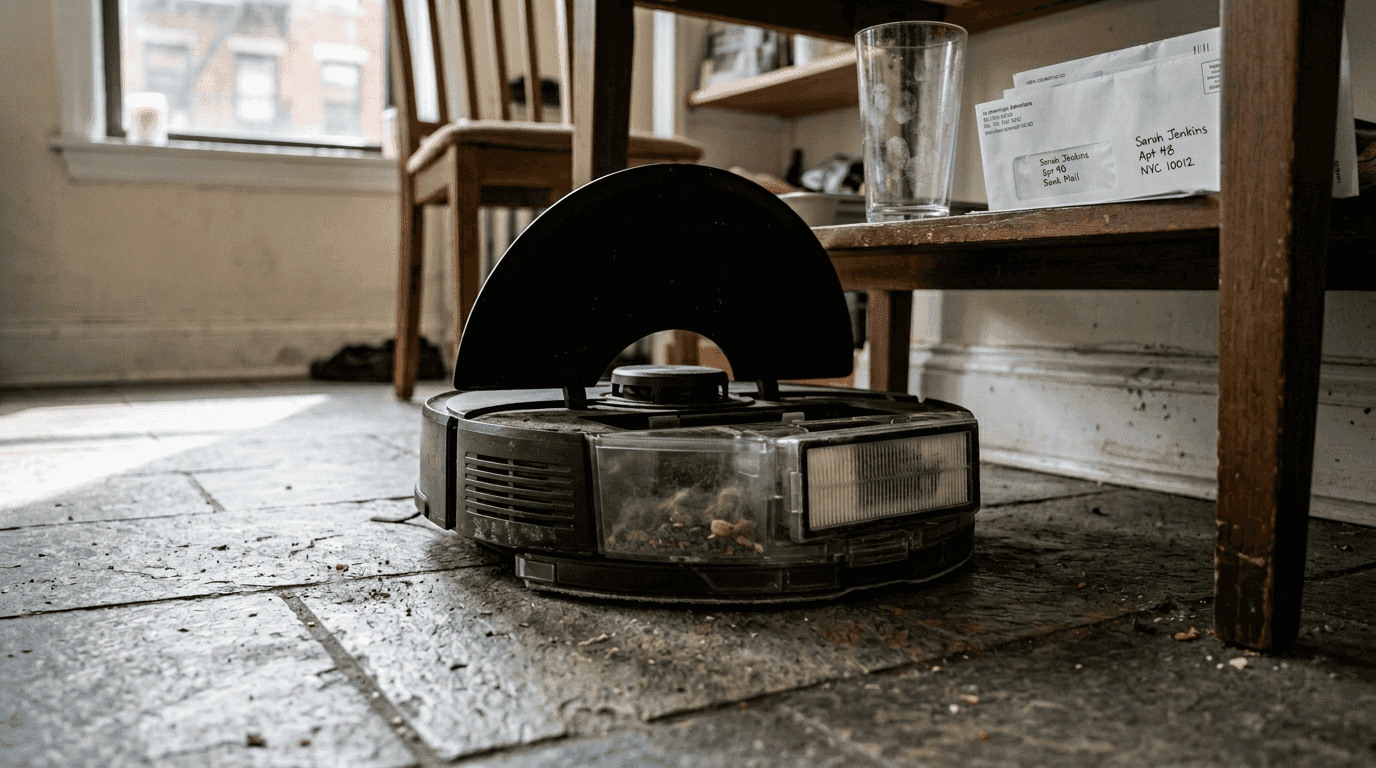
Dual cleaning modes for versatility allow a single device to handle multiple tasks. The RCV 3 performs both dry vacuuming and wet mopping, switching between modes based on user preferences or automatically adapting to floor type. This dual functionality eliminates the need for separate devices, saving storage space and simplifying cleaning routines.
Power and coverage define cleaning effectiveness. The PUDU MT1 Vac boosts suction by 200% through its dual-fan system, pulling embedded dirt from carpet fibers and hard floor crevices that standard vacuums miss. Its wide 55 cm cleaning path covers more area per pass, reducing overall cleaning time for larger rooms. This combination of power and efficiency makes quick work of high-traffic areas that accumulate dirt rapidly.
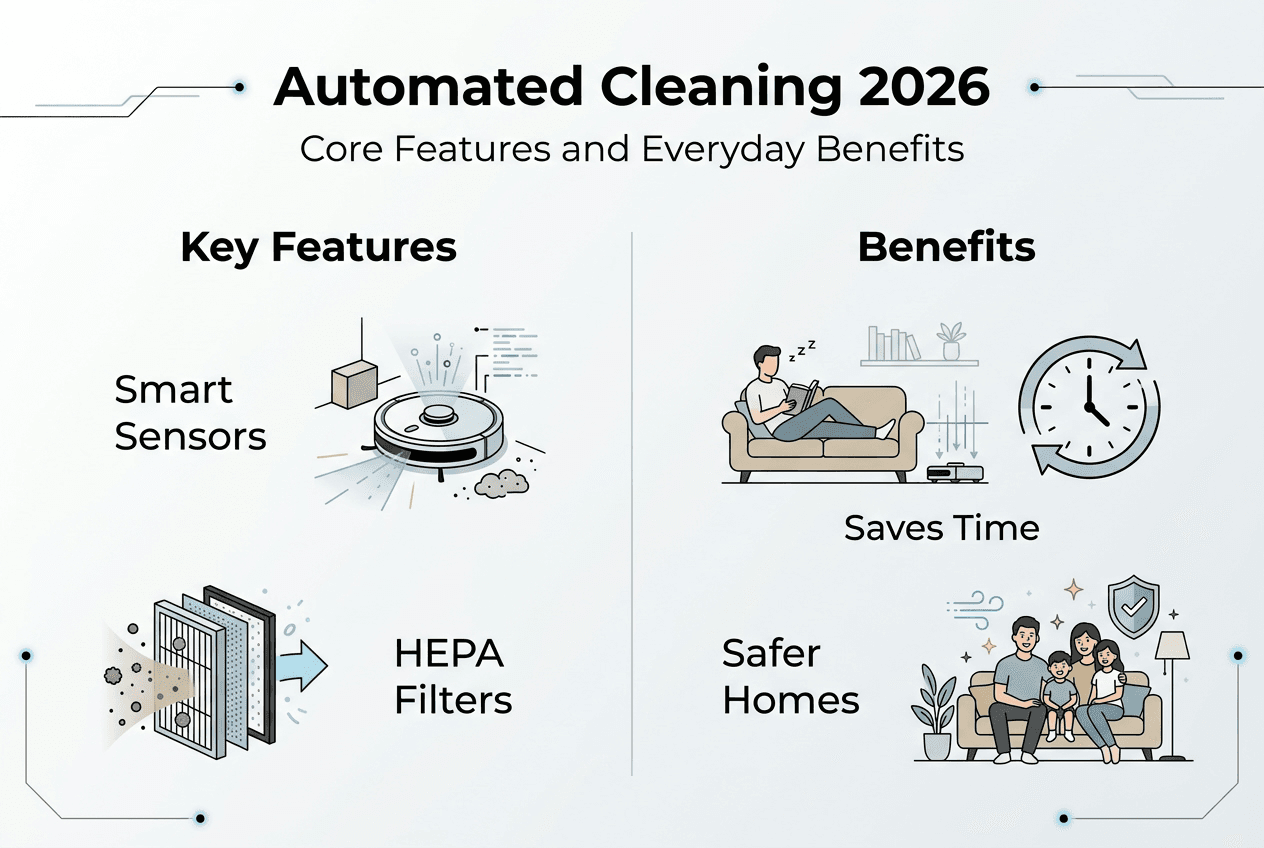
Air quality matters as much as floor cleanliness. HEPA filtration capturing 98% of particles ensures that vacuumed dust and allergens stay trapped rather than recirculating into room air. The PUDU MT1 Vac’s HEPA-grade system captures particles as small as 0.3 µm, including pollen, pet dander, and fine dust that trigger allergies. This feature proves especially valuable for households with asthma sufferers or young children.
Safety features protect both the device and your home. Fall sensors detect stairs and drop-offs, triggering automatic direction changes that prevent tumbles. Bump sensors cushion contact with furniture, while cliff detection algorithms keep devices away from ledges. These protective measures reduce maintenance needs and extend device lifespan by preventing damage from falls or collisions.
| Feature | RCV 3 | PUDU MT1 Vac |
|---|---|---|
| Cleaning modes | Vacuum, mop, or combined | Vacuum with deep suction |
| Navigation | LiDAR mapping | VSLAM, Marker, LiDAR SLAM |
| Suction power | Standard efficiency | 200% boost with dual fans |
| Cleaning width | Standard path | 55 cm wide coverage |
| Filtration | Standard filter | HEPA-grade (98% at 0.3 µm) |
| App control | Full scheduling and settings | Remote operation and monitoring |
App connectivity transforms these devices into truly smart home components. Users schedule cleaning sessions, adjust suction levels, designate no-go zones, and monitor battery status from smartphones. This remote control capability means you can start a cleaning cycle while at work, ensuring you return to fresh floors without dedicating personal time to the task.
Adaptive cleaning technology automatically adjusts performance based on surface detection. When transitioning from hardwood to carpet, devices increase suction power and modify brush speed to maintain consistent cleaning quality. This intelligence removes the need for manual mode switching, letting the device handle optimization while you focus on other priorities.
Pro Tip: Create virtual boundaries in your cleaning app to protect delicate rugs or keep devices away from pet feeding areas during specific times. This customization maximizes cleaning coverage while respecting household needs.
Exploring smart home practical tips reveals how automated cleaners integrate with broader home automation systems. Understanding the benefits of smart gadgets helps homeowners appreciate how these devices contribute to overall convenience and efficiency.
Practical benefits and maintenance tips for busy homeowners
Automated cleaning devices deliver tangible time savings that compound over weeks and months. The average homeowner spends 6 to 8 hours weekly on cleaning tasks, with vacuuming and mopping consuming a significant portion. Delegating these chores to smart devices reclaims this time for family activities, hobbies, or simply relaxing after demanding workdays.
Scheduling flexibility accommodates even the busiest routines. App control for setting schedules lets you program cleaning sessions during work hours, ensuring floors stay pristine without disrupting evening family time. The RCV 3 offers convenient app scheduling that runs devices when homes are empty, reducing noise interference and maximizing efficiency.
Adaptive cleaning intelligence removes guesswork from floor care. Devices automatically detect surface types and adjust suction power, brush speed, and water flow for optimal results. Hardwood floors receive gentle treatment that prevents scratching, while carpets get aggressive suction that extracts embedded dirt. This automatic optimization ensures consistent quality across mixed flooring without manual intervention.
Maintaining automated cleaners requires minimal effort when approached systematically. Regular upkeep extends device lifespan and preserves cleaning performance:
- Empty dustbins after each cleaning session or when sensors indicate fullness to maintain suction efficiency
- Rinse filters weekly under running water and allow complete drying before reinstallation to prevent mold growth
- Remove tangled hair from brushes every few days using the included cleaning tool to avoid motor strain
- Wipe sensors monthly with a soft, dry cloth to ensure accurate navigation and obstacle detection
- Check wheels for debris accumulation that might impede movement or cause uneven cleaning patterns
Tool-free component swaps simplify maintenance further. The PUDU MT1 Vac offers easy maintenance with quick-release dustbins, snap-on brushes, and magnetic mop attachments that require no tools or technical knowledge. This user-friendly design means anyone in the household can handle basic upkeep without consulting manuals or watching tutorial videos.
Battery care impacts long-term performance. Avoid letting batteries fully discharge regularly, as this degrades capacity over time. Instead, keep devices on charging docks between uses, allowing them to maintain optimal charge levels. Most modern devices include smart charging that prevents overcharging damage, making dock storage both convenient and safe.
Pro Tip: Run a maintenance cleaning cycle monthly by removing all obstacles and letting your device cover the entire home without interruption. This extended session helps identify navigation issues or areas needing attention before they become problems.
Safety features provide peace of mind for households with stairs or elevated platforms. Fall sensors detect drop-offs and trigger immediate direction changes, protecting devices from damage and preventing potential hazards. This reliability means you can confidently run devices unsupervised, even in multi-level homes with various elevation changes.
Discovering smart gadgets for convenience shows how automated cleaners fit within broader home efficiency strategies. These devices represent practical investments that deliver daily value through time savings and improved cleanliness standards.
Discover smart cleaning solutions at Asknik
Exploring innovative home solutions becomes easier when you have access to curated selections of quality products designed for modern living. Asknik specializes in smart gadgets and practical tools that enhance daily convenience, helping busy homeowners streamline routines without compromising quality.
Our collection focuses on devices that solve real problems, from kitchen efficiency to home organization. The 3 in 1 folding measuring spoon exemplifies this philosophy, combining multiple functions in a compact design that saves drawer space and cooking time. Each product undergoes careful selection to ensure it delivers genuine value rather than adding clutter.
Visit Asknik to explore our full range of smart home solutions, tech gadgets, and innovative tools. We offer free shipping across Greece and exclusive deals that make upgrading your home more affordable. Whether you’re building a complete smart home ecosystem or adding individual convenience items, our selection supports your goals with quality products backed by responsive customer service.
Frequently asked questions about automated cleaning
How do automated cleaners navigate complex home layouts?
Automated cleaners use LiDAR sensors, cameras, and AI algorithms to map rooms and identify obstacles in real time. These systems create detailed floor plans that improve with each cleaning session, learning furniture placement and optimal routes. The combination of technologies allows devices to navigate around chair legs, avoid pet bowls, and clean under low furniture without getting stuck.
Can automated cleaning devices handle multiple floor surfaces?
Yes, modern automated cleaners automatically detect surface types and adjust cleaning parameters accordingly. When transitioning from hardwood to carpet, devices increase suction power and modify brush speed to maintain effectiveness. This adaptive capability ensures consistent results across mixed flooring without requiring manual mode changes or separate cleaning passes.
What maintenance is required to keep automated cleaners efficient?
Basic maintenance includes emptying dustbins after each use, rinsing filters weekly, and removing hair from brushes every few days. Most devices feature tool-free component swaps that make these tasks quick and simple. Monthly sensor cleaning with a dry cloth ensures accurate navigation, while keeping devices on charging docks between uses maintains battery health.
Are automated cleaners safe around stairs or drop-offs?
Automated cleaners include fall sensors that detect stairs and elevation changes, triggering immediate direction reversals to prevent tumbles. These safety features allow confident unsupervised operation in multi-level homes. Cliff detection algorithms continuously monitor for drop-offs, making these devices reliable even near balconies or raised platforms.
How can I control or schedule my automated cleaning device remotely?
Most automated cleaners connect to smartphone apps via Wi-Fi, enabling remote control from anywhere with internet access. You can start cleaning sessions while at work, adjust suction levels, create virtual boundaries, and monitor battery status through intuitive interfaces. Scheduling features let you program regular cleaning times that fit your routine, ensuring floors stay clean without manual intervention. Exploring smart home tips provides additional strategies for maximizing automation benefits.