
Over two-thirds of pet owners now use tracking devices, yet many remain uncertain about how these tools actually work or which features matter most for their pets. Pet health trackers have evolved from simple location monitors into sophisticated wellness systems that detect health changes weeks before visible symptoms appear. For Greek pet owners seeking to move from reactive care to proactive health management, understanding these devices transforms how you safeguard your companion’s well-being. This guide clarifies the technology behind pet trackers, compares top models available in Greece, and provides practical advice for choosing and using devices that genuinely improve your pet’s quality of life.
Table of Contents
- Key takeaways
- How pet health tracking devices work: sensors and data explained
- Top pet health tracking devices for Greek pet owners
- The benefits and practical impact of pet trackers on health management
- Practical tips for choosing and using pet health trackers in Greece
- Explore smart pet care solutions at Asknik
- FAQ
Key Takeaways
| Point | Details |
|---|---|
| Sensor fusion benefits | Integrating activity, heart rate, and sleep data yields actionable health insights beyond simple location tracking. |
| Baseline before alerts | Establish a reliable baseline over about 12 weeks to minimize false alerts and improve trust in anomaly signals. |
| Location plus wellness | GPS tracking is paired with health sensors to map routes and reveal patterns that indicate potential issues. |
| Greek market options | Pet owners in Greece can access devices like Tractive and PetPace through local retailers or international shipping with diverse features and prices. |
How pet health tracking devices work: sensors and data explained
Pet health tracking devices rely on collar-mounted wearables with multiple sensors that capture comprehensive wellness data throughout your pet’s day. Understanding these technologies helps you evaluate which features truly matter for your companion’s specific needs.
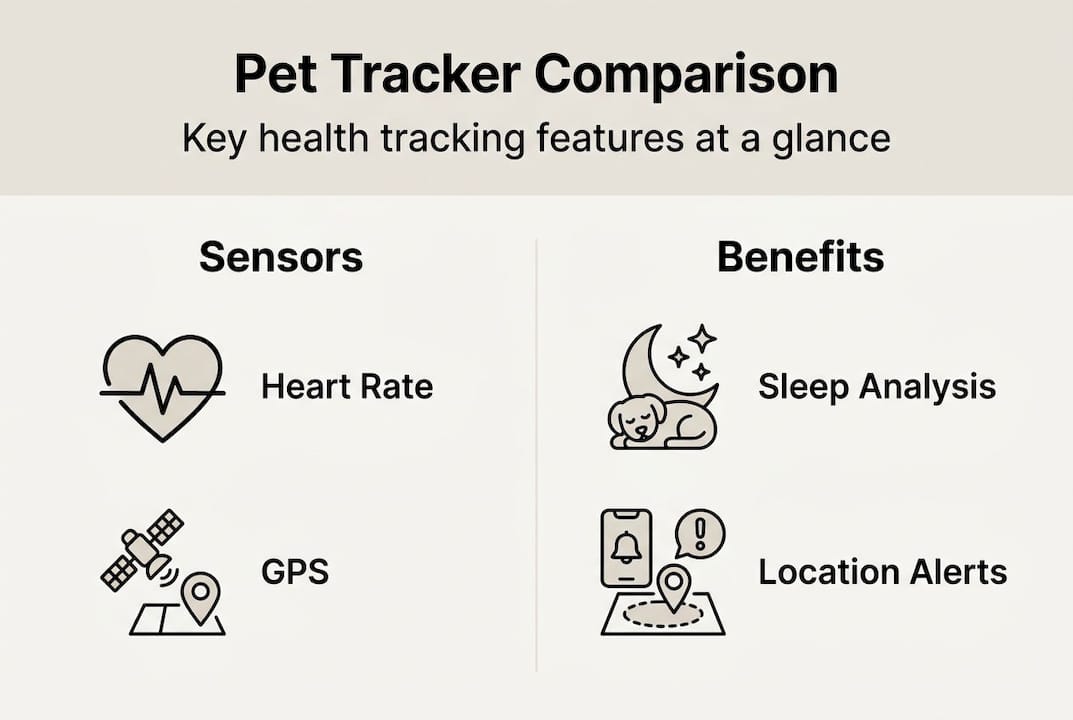
Accelerometers form the foundation of activity monitoring by detecting movement patterns in three dimensions. These sensors track steps, running intensity, rest periods, and sleep quality by analyzing motion frequency and direction. When your dog shifts from deep sleep to light sleep or suddenly becomes restless at night, accelerometers capture these behavioral changes that might signal discomfort or anxiety. The data reveals activity trends over weeks, helping you spot gradual declines in mobility that often indicate joint problems or other health issues before they become severe.
Seismocardiography represents a breakthrough in non-invasive vital sign monitoring for pets. This technology measures chest wall vibrations caused by heartbeats and breathing, delivering accuracy comparable to veterinary equipment without requiring electrodes or restraints. Your pet wears the device normally while sensors detect cardiac cycles and respiratory patterns continuously. This method proves especially valuable for breeds prone to heart conditions or respiratory issues, as it establishes personalized baselines and alerts you to deviations that warrant veterinary attention.
GPS and satellite positioning systems track your pet’s location using multiple satellite networks including GPS, GLONASS, and Galileo for reliable coverage across Greece. These systems update position every few seconds when your pet moves, creating detailed activity maps that show walking routes, favorite spots, and time spent in different areas. Location data combines with activity metrics to reveal behavioral patterns, such as whether your cat explores less territory than normal or your dog exhibits unusual pacing behavior in specific locations.
Combining multiple sensors creates a holistic health profile that single-function devices cannot match. When activity levels drop while heart rate increases, the pattern might indicate pain or illness. Similarly, changes in sleep quality paired with elevated resting respiration rates can signal respiratory infections days before coughing starts. This sensor fusion approach delivers context that transforms raw data into actionable health insights.
For Greek pet owners exploring these technologies, the pet gadget usage guide offers region-specific setup advice and troubleshooting tips.
Pro Tip: Sync your device daily and establish a baseline over 12 weeks before relying on anomaly alerts. Baselines vary significantly by age, breed, and individual temperament, so rushing this calibration period produces false alarms that undermine trust in the system.
Top pet health tracking devices for Greek pet owners
Selecting the right tracker requires balancing features, cost, and your pet’s specific health monitoring needs. Greek pet owners have access to several proven devices through local retailers and international shipping, each offering distinct advantages for different situations.
Tractive provides the most accessible entry point for GPS and basic health monitoring in Greece. The Tractive GPS tracker weighs 25-35g depending on the model, making it suitable for cats and small dogs. Battery life ranges from 2-5 days with active tracking, extending to 7 days in power-saving mode. Greek retailers like directed.gr and ican.gr stock Tractive devices for €49-€70, with required subscriptions costing €4 monthly that include SIM connectivity. The subscription covers unlimited location updates, activity tracking, sleep monitoring, and health alerts when patterns deviate from your pet’s baseline. Tractive works well for owners prioritizing location safety and basic wellness trends without needing detailed vital sign monitoring.
PetPace targets pets with chronic conditions or owners wanting comprehensive vital sign tracking. This device monitors seven parameters including heart rate, respiration rate, body temperature, activity levels, posture, and calories burned. The AI-powered system generates health scores and alerts veterinarians to concerning trends automatically if you enable professional monitoring. PetPace subscriptions cost more than basic trackers at approximately €15-€20 monthly, but the depth of medical-grade data justifies the expense for pets recovering from surgery, managing heart disease, or requiring close monitoring due to age or breed-specific health risks. The device weighs about 90g, making it best suited for medium to large dogs rather than small pets or cats.
Fi Series 3 combines rugged durability with extended battery life, appealing to active dogs and outdoor enthusiasts. The device offers GPS tracking, activity monitoring, and escape alerts with battery life extending up to three months between charges. This longevity eliminates the frequent charging required by competing devices, though the upfront cost runs higher at approximately €150-€200. Fi excels for working dogs, hiking companions, or pets spending significant time outdoors where reliable tracking matters most.

Invoxia Biotracker leverages artificial intelligence to monitor heart and respiratory rates without requiring chest straps or tight fitting. The device analyzes subtle vibrations to calculate vital signs, then compares readings against breed-specific norms. Battery life reaches one month per charge, and the device includes GPS tracking with no monthly subscription fees after the first year. This combination of vital sign monitoring and subscription-free operation makes Invoxia attractive for budget-conscious owners wanting more than basic activity tracking.
| Device | Weight | Battery Life | Price Range | Key Features | Best For |
|---|---|---|---|---|---|
| Tractive | 25-35g | 2-7 days | €49-€70 + €4/mo | GPS, activity, sleep, alerts | Location safety, basic health |
| PetPace | 90g | 3-5 days | €150+ device + €15-€20/mo | 7 vitals, AI health scores | Chronic conditions, detailed monitoring |
| Fi Series 3 | 42g | Up to 3 months | €150-€200 + subscription | GPS, activity, escape alerts, durability | Active dogs, outdoor use |
| Invoxia Biotracker | 40g | 1 month | €99 + annual fee | HR/RR via AI, GPS, no monthly sub | Budget-conscious, vital signs |
When comparing devices, consider your pet’s size and tolerance for collar weight, how often you can realistically charge the device, your monthly budget including subscriptions, and whether you need basic activity data or comprehensive vital sign monitoring. Exploring pet gadgets benefits helps clarify which features deliver the most value for your specific situation.
The benefits and practical impact of pet trackers on health management
Pet health trackers transform wellness management from reactive crisis response to proactive prevention, delivering measurable improvements in disease detection and treatment outcomes. Understanding these concrete benefits helps justify the investment and guides how you integrate tracking data into your pet’s care routine.
-
Early disease detection through pattern recognition: Trackers identify subtle changes in activity, sleep, and vital signs that precede visible symptoms by weeks. A gradual increase in resting heart rate combined with reduced activity might indicate developing heart disease, while changes in sleep patterns often signal pain or cognitive decline. The 42% earlier detection of chronic diseases documented in tracker studies translates to more treatment options and better prognoses when conditions are caught before they progress to advanced stages.
-
Objective data for veterinary consultations: Instead of relying on your memory of symptoms or behavior changes, you present veterinarians with weeks of quantified data showing exactly when changes began and how they progressed. This evidence helps vets diagnose conditions faster and monitor treatment effectiveness between appointments. For pets with intermittent symptoms like seizures or respiratory episodes, continuous monitoring captures events you might otherwise miss.
-
Behavior monitoring reveals emotional and cognitive health: Activity patterns, sleep quality, and location preferences reflect your pet’s emotional state and cognitive function. Increased nighttime restlessness might indicate anxiety or cognitive dysfunction syndrome in aging pets. Reduced exploration of favorite areas could signal vision problems or joint pain. These behavioral insights complement physical health metrics to paint a complete wellness picture.
-
Personalized baselines account for individual variation: Generic health guidelines ignore the reality that normal vital signs vary significantly between individual pets. Establishing resting vitals by age, weight, and breed through initial tracking periods creates personalized reference points that make anomaly detection far more accurate than comparing your pet to population averages. A heart rate that seems normal for the breed might be elevated for your specific dog, and only baseline tracking reveals this distinction.
-
Motivation for consistent exercise and weight management: Seeing daily activity data encourages you to meet exercise targets and adjust routines when your pet falls short. This accountability helps prevent obesity, which remains one of the most common and preventable health problems in companion animals. Tracking also reveals whether your pet actually exercises during the day when you’re away or simply sleeps until you return.
“Pet health trackers enable 42% earlier detection of chronic diseases by identifying subtle baseline deviations weeks before symptoms become visible, fundamentally shifting care from reactive treatment to proactive prevention.”
Integrating tracker data with veterinary care amplifies these benefits substantially. Sharing trends with your vet during wellness checks allows them to spot concerning patterns you might dismiss as normal variation. For pets with diagnosed conditions, tracking provides objective measures of treatment effectiveness and helps adjust medications or interventions based on data rather than guesswork.
Greek pet owners can maximize these benefits by exploring smart pet gadgets benefits that complement tracking devices with environmental monitoring and automated care systems.
Pro Tip: Share your tracker’s app access or data exports with your veterinarian before appointments. Many vets now review this data as part of wellness exams, using trends to inform recommendations and catch issues that brief office visits might miss.
Practical tips for choosing and using pet health trackers in Greece
Successfully implementing pet health tracking requires matching device capabilities to your pet’s needs, establishing proper baselines, and integrating data into care routines. These practical steps help Greek pet owners maximize their investment and avoid common pitfalls.
Device selection process:
- Assess your pet’s primary needs: location safety for escape-prone pets, activity monitoring for weight management, or comprehensive vital signs for chronic conditions
- Set a realistic budget including monthly subscriptions, which often exceed the initial device cost over the tracker’s lifespan
- Compare battery life against your charging habits, recognizing that devices requiring daily charging often go unused after the novelty fades
- Verify the device weight suits your pet’s size, keeping collar weight under 5% of body weight to prevent discomfort
- Check whether the manufacturer offers customer support in Greek or English and whether local retailers provide warranty service
- Test collar fit and comfort during a trial period, watching for rubbing, hair loss, or behavioral signs that your pet finds the device annoying
For Greek pet owners, starting with Tractive for GPS and basic health monitoring provides an affordable entry point. The €4 monthly subscription includes SIM connectivity and covers all tracking features without surprise fees. If your pet develops chronic health issues or you want deeper vital sign monitoring, upgrading to PetPace or similar advanced devices makes sense once you’ve confirmed your commitment to regular data review.
Pro Tip: Monitor collar fit weekly, especially during the first month. Pets gain or lose weight, and fur thickness changes seasonally, both affecting how snugly the device sits. A loose collar produces inaccurate heart rate readings, while an overly tight fit causes discomfort and skin irritation.
Establishing accurate baselines requires patience and consistency. Wear the device continuously for at least 12 weeks before trusting anomaly alerts, as this period captures normal variation across different activity levels, weather conditions, and routine changes. During baseline establishment, note any major events like illness, travel, or routine disruptions in the app so the system excludes these outliers from normal pattern calculations. If you switch devices or replace a collar, restart the baseline period since different sensors and placement affect readings.
Integrate tracking data into veterinary care by enabling app sharing features that let your vet review trends remotely. Before wellness exams, review the past month’s data yourself and note any patterns or changes worth discussing. During appointments, show specific concerning trends rather than overwhelming your vet with raw data. Most veterinarians appreciate objective health information but need you to highlight what seems abnormal based on your pet’s established patterns.
For ongoing use, set aside 10 minutes weekly to review activity trends, sleep quality, and any alerts the system generated. This regular review helps you spot gradual changes that daily alerts might miss and reinforces the habit of proactive monitoring. If you notice declining activity or other concerning trends, schedule a veterinary consultation before symptoms become severe.
Greek pet owners can find additional setup guidance and troubleshooting help through the pet gadgets checklist covering device installation, app configuration, and common technical issues.
Pro Tip: If switching between devices, maintain both for two weeks to compare readings and ensure the new device produces consistent data before retiring the old tracker. This overlap period prevents gaps in your pet’s health history and verifies the new device functions correctly.
Explore smart pet care solutions at Asknik
Managing your pet’s health extends beyond tracking devices to include the environment and tools that support their daily wellness. Asknik offers a curated selection of innovative solutions that complement health monitoring with practical care improvements.
Our kitchen and cooking essentials include tools that simplify preparing fresh, measured meals for pets with specific dietary needs. Accurate portion control supports weight management goals identified through activity tracking, while quality food storage maintains nutritional value. The folding measuring spoon tool exemplifies the practical, space-saving gadgets that make consistent pet care routines easier to maintain.

Shopping locally through Asknik provides Greek pet owners with fast delivery, easy returns, and customer support in your language. Browse our collections to discover how smart solutions enhance every aspect of pet care, from health monitoring to daily feeding and environmental comfort.
FAQ
What kinds of data do pet health trackers record?
Pet health trackers record activity levels including steps and exercise intensity, sleep duration and quality, GPS location with movement history, heart rate, respiration rate, and body temperature. Advanced devices combine these metrics to generate health scores and detect patterns indicating potential illness. The specific data captured depends on the device’s sensor array, with basic models focusing on activity and location while premium trackers monitor comprehensive vital signs.
Are pet health trackers suitable for all pet sizes and breeds?
Most trackers weigh between 25g and 90g, making them suitable for cats and dogs over 4kg, though very small pets or pregnant animals may find heavier devices uncomfortable. Device manufacturers specify minimum weight recommendations based on collar size and sensor placement requirements. Consult your veterinarian before using trackers on puppies, kittens, elderly pets with mobility issues, or animals recovering from surgery to ensure the device won’t interfere with their condition or comfort.
How can I ensure my pet’s data is used effectively by veterinarians?
Choose devices with app features allowing easy data sharing through email exports, cloud access, or direct veterinary portal integration. Review trends weekly and alert your vet to significant changes like sustained activity decreases, sleep disruptions, or vital sign deviations that persist beyond a few days. Many veterinarians now incorporate tracker data into wellness exams and chronic disease management, using objective metrics to adjust treatments and catch problems early when interventions prove most effective.