
Choosing the right smart home devices feels overwhelming when the options keep growing every year. Greek homeowners face a unique challenge: older wiring, variable heating systems, high electricity bills, and thick stone or concrete walls all affect which devices actually work well. The good news is that the right device mix covers everything from voice assistants and lighting to thermostats, security cameras, sensors, robot vacuums, and energy monitors. This guide walks you through the key criteria, the main categories, and the top picks so you can build a smarter home with confidence.
Table of Contents
- How to choose smart home devices: Core criteria for Greek homes
- Essential categories: The main types of smart home devices
- How connectivity works: Protocols and compatibility explained
- Top picks: Best smart home devices for Greek households
- Comparing options: Performance, savings, and installation challenges
- Upgrade your home with smart devices from AskNik.gr
- Frequently asked questions
Key Takeaways
| Point | Details |
|---|---|
| Core criteria matter | Device compatibility, connectivity, and installation needs are critical in Greek homes. |
| Best savings devices | Start with thermostats and lighting to see fast ROI and substantial energy bill reductions. |
| Connectivity choices | Choose Mesh-capable protocols like Thread or Z-Wave for reliability in thick-walled homes. |
| Shop local, stay compatible | Pick brands with local support and look for Matter compatibility to future-proof your system. |
How to choose smart home devices: Core criteria for Greek homes
Now that you’re aware of the possibilities, let’s identify the factors that should guide your smart device selections. Not every device on the market is a good fit for a Greek apartment or house, and buying the wrong one wastes both money and time.
Here are the core criteria to check before you buy:
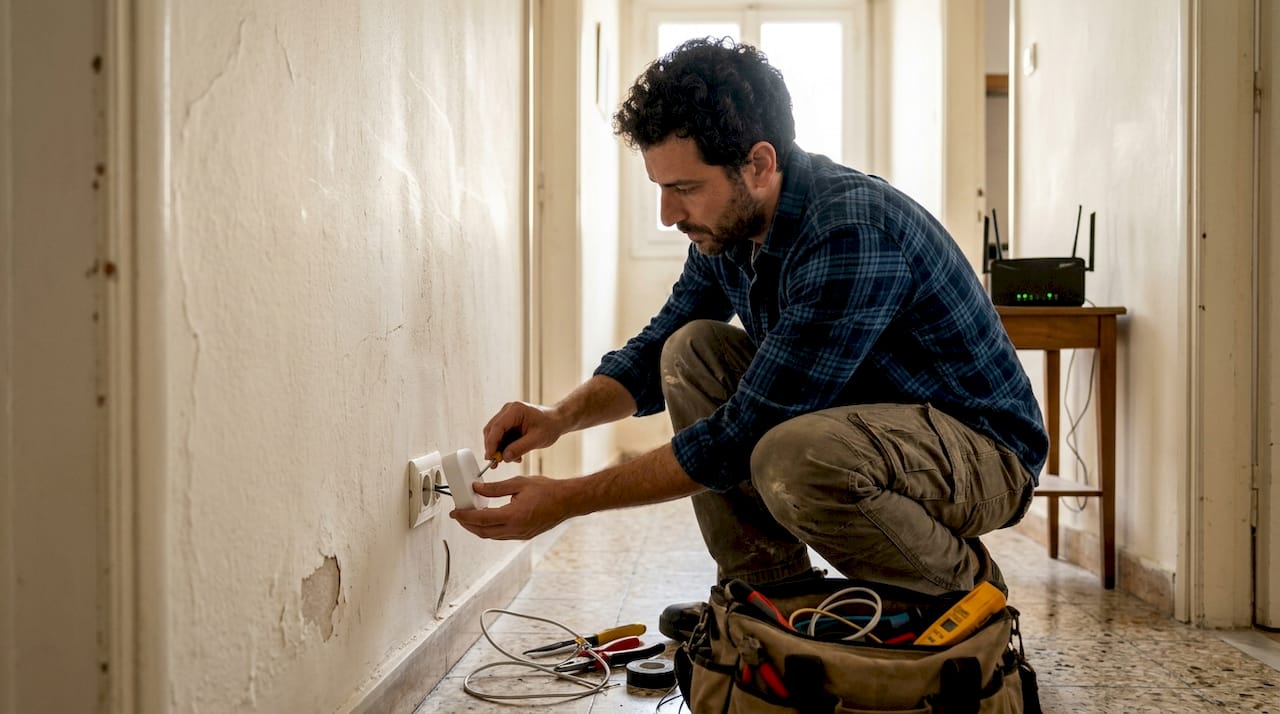
- Compatibility with your wiring: Many smart switches need a neutral wire, which older Greek homes often lack. Always check before ordering.
- Heating and cooling system type: Greece uses gas boilers, oil burners, and heat pumps. Your smart thermostat must support your specific system.
- Connectivity standard: Wi-Fi devices are easy to set up but can struggle with thick walls. Zigbee and Z-Wave handle interference better.
- Energy payback period: Devices like smart thermostats pay for themselves within one to two heating seasons in Greece.
- Ease of installation: Some devices are plug-and-play. Others need an electrician. Know which category you’re buying.
- Local availability: Check if the product is sold or supported in Greece for warranty and returns.
For older Greek homes, geofencing is especially useful because it adjusts heating and cooling automatically based on whether you’re home, which is perfect for variable schedules. You can also find more smart home practical tips to help you plan your setup from the start.
Pro Tip: Before buying any smart switch, take a photo inside your existing switch box. If you see only two wires (live and load) with no neutral, look for switches specifically labeled “no neutral wire required.”
Essential categories: The main types of smart home devices
With core criteria in mind, let’s explore the key types of smart home devices available today. Understanding each category helps you prioritize where to spend first.
The main device categories include:
- Voice assistants and smart speakers: Amazon Echo, Google Nest, Apple HomePod. These act as the control center for your whole setup.
- Smart lighting: Bulbs, strips, and switches that you control by app, voice, or schedule. Philips Hue is the most popular brand in Greece.
- Smart thermostats and HVAC control: Devices like tado° and Netatmo that learn your schedule and cut heating bills significantly.
- Security cameras, doorbells, and locks: Monitor your home remotely and get alerts when motion is detected.
- Smart plugs and energy monitors: Turn any appliance smart and track exactly how much power it uses.
- Sensors: Motion, leak, door/window contact sensors that trigger automations or send alerts.
- Robot vacuums and appliances: Automate cleaning and kitchen tasks with minimal effort.
- Entertainment systems and hubs: Smart TVs, streaming devices, and hubs that connect everything together.
Here’s a quick comparison of the most popular categories by benefit:
| Device category | Primary benefit | Avg. cost (Greece) | Installation effort |
|---|---|---|---|
| Smart thermostat | Energy savings | €150-270 | Medium |
| Smart lighting | Convenience + savings | €10-15/bulb | Low |
| Security camera | Safety | €40-120 | Low to medium |
| Smart plug | Energy monitoring | €10-25 | Very low |
| Robot vacuum | Time savings | €150-400 | Very low |
| Smart hub/bridge | Device integration | €50-100 | Medium |
Learning about the smart home benefits of each category helps you decide which ones fit your lifestyle and budget best. A good smart home automation guide can also show you how these categories work together.
How connectivity works: Protocols and compatibility explained
After exploring device types, it’s crucial to understand how these devices communicate and integrate. The protocol a device uses determines its range, reliability, and compatibility with other products.
Smart devices connect via Wi-Fi, Zigbee, Z-Wave, Thread, Matter, and Bluetooth. Each has strengths and weaknesses:
| Protocol | Frequency | Wall penetration | Requires hub | Best for |
|---|---|---|---|---|
| Wi-Fi | 2.4/5GHz | Moderate | No | Cameras, speakers |
| Zigbee | 2.4GHz | Good (mesh) | Yes | Lighting, sensors |
| Z-Wave | Sub-GHz | Excellent | Yes | Locks, sensors |
| Thread | 2.4GHz | Good (mesh) | No (self-forming) | Future-proof setups |
| Matter | Software layer | N/A | Optional | Cross-brand compatibility |
| Bluetooth | 2.4GHz | Low | No | Short-range devices |
For Greek homes with thick concrete or stone walls, Z-Wave and Zigbee mesh networks perform better than standard Wi-Fi. A hub like Amazon Echo (with Zigbee built in) or a dedicated Zigbee bridge keeps everything connected without relying on your router for every signal.
Pro Tip: If you’re starting fresh, choose Matter-compatible devices wherever possible. Matter enables cross-ecosystem interoperability across Alexa, Google, and Apple, so you’re never locked into one brand. Check out the latest smart home trends 2026 to see which protocols are gaining ground.
Top picks: Best smart home devices for Greek households
Now, let’s get specific with top picks you can actually buy and install in Greece. These are devices that work well with local heating systems, Greek wiring realities, and the high electricity costs that make energy savings so important here.
Smart thermostats are the single best investment for most Greek homes. Popular options in Greece include tado° (€150-200) and Netatmo (€180-270), both of which support OpenTherm, gas boilers, and oil burners. They pay for themselves quickly given Greece’s high energy prices.
Smart lighting is the easiest entry point. Philips Hue bulbs cost €10-15 each and require no wiring changes at all. You simply swap the bulb and connect to the app. For practical smart home advice on setting up lighting scenes and schedules, we’ve got you covered.
Here are our top picks by room:
- Living room: Philips Hue color bulbs + smart speaker (Amazon Echo or Google Nest)
- Kitchen: Smart plug for the coffee maker + robot vacuum for the floor
- Entryway: Smart video doorbell + smart lock for keyless entry
- Bedroom: Smart bulb with wake-up routine + motion sensor for night lighting
- Utility room: Smart plug with energy monitor to track washing machine usage
“TP-Link Tapo robot vacuums offer excellent value for Greek apartments, combining strong suction with app control at a price point well below premium brands.”
You can find many of these devices through local retailers and online platforms. The buying guide for Greece covers pricing and availability in detail.
Comparing options: Performance, savings, and installation challenges
To make the smartest choice for your home and budget, let’s look side-by-side at performance, savings, and real-world challenges.
Smart thermostats save 10-30% on heating and cooling costs with proper use. Smart LED lighting cuts lighting energy use by 75-85%. Combined, a well-configured smart home in a 100sqm property can reduce total energy bills by 20-40%, which translates to €400-760 per year in real savings.
Here’s how the main categories compare on ROI and effort:
| Device | Energy savings | Payback period | Common issues |
|---|---|---|---|
| Smart thermostat | 10-30% | 1-2 seasons | Wiring compatibility |
| Smart lighting | 75-85% | 6-12 months | Hub required for some |
| Smart plugs | 5-15% | 2-4 months | Standby power draw |
| Robot vacuum | None (time savings) | Personal value | Wi-Fi range |
| Security camera | None (safety) | Immediate peace of mind | Storage costs |
The most common installation problems to watch for:
- Wi-Fi dropouts: About 21% of smart devices go offline regularly due to signal issues. A mesh Wi-Fi system solves this.
- Pairing failures: Around 15% of first-time setups fail on the first attempt. Restart the device and router before trying again.
- Vampire power: Smart plugs draw 0.8-2.3W on standby. Multiply that across 10 plugs and it adds up. Use Zigbee plugs, which draw less standby power than Wi-Fi models.
- Incompatible heating systems: Always confirm thermostat compatibility with your exact boiler model before buying.
- No neutral wire: Plan for this early. Battery-powered or no-neutral switches are widely available and work just as well.
For homeowners exploring alternatives to specific platforms, our guide on intellihome alternatives is worth a read.
Upgrade your home with smart devices from AskNik.gr
Ready to take the next step? At AskNik.gr, we’ve curated a selection of smart home products that are practical, reliable, and ready to ship across Greece. Whether you’re starting with a single smart bulb or building out a full home automation setup, we make it easy to find what you need.
Our smart home collection includes lighting, smart plugs, sensors, and more, all backed by our quality check process and free shipping. We keep our product range focused on what actually works in real Greek homes, so you’re not wasting money on devices that don’t fit your setup. Browse our store, find your starting point, and let us help you build a smarter, more efficient home one device at a time.
Frequently asked questions
Which smart home devices are best to start with in Greece?
Start with a smart thermostat and smart lighting. These two categories deliver the fastest ROI for Greek homeowners given high electricity costs and the Mediterranean heating season.
Are smart devices compatible with old Greek wiring?
Many are, but some smart switches and thermostats need a neutral wire that older Greek homes may lack. Battery-powered and no-neutral options are widely available and work just as reliably.
How much can I save on energy bills with smart home devices?
A typical 100sqm home can save €400-760 per year by combining smart thermostats, LED lighting automation, and energy-monitoring plugs.
What is Matter, and why does it matter for smart homes?
Matter is a software protocol that makes devices from different brands work together seamlessly. It enables cross-ecosystem compatibility across Alexa, Google Home, and Apple HomeKit, so you’re not locked into one ecosystem.
What are the most common problems installing smart devices?
The most frequent issues are Wi-Fi dropouts affecting 21% of devices, pairing failures on first setup, and standby power draw from Wi-Fi plugs. Mesh networks and Zigbee or Thread devices solve most of these problems.